


A long time ago in a galaxy far, far away (or forty years ago in my living room), I watched Return of the Jedi, Episode 6 of a saga whose timeline (an original trilogy numbered 4–6, followed by prequels 1–3, sequels 7–9, and a number of animated and live-action shows with a few standalone films mixed in) can get a bit confusing. Star Wars is one of the most successful and influential franchises in history, and for decades it was my absolute favorite.
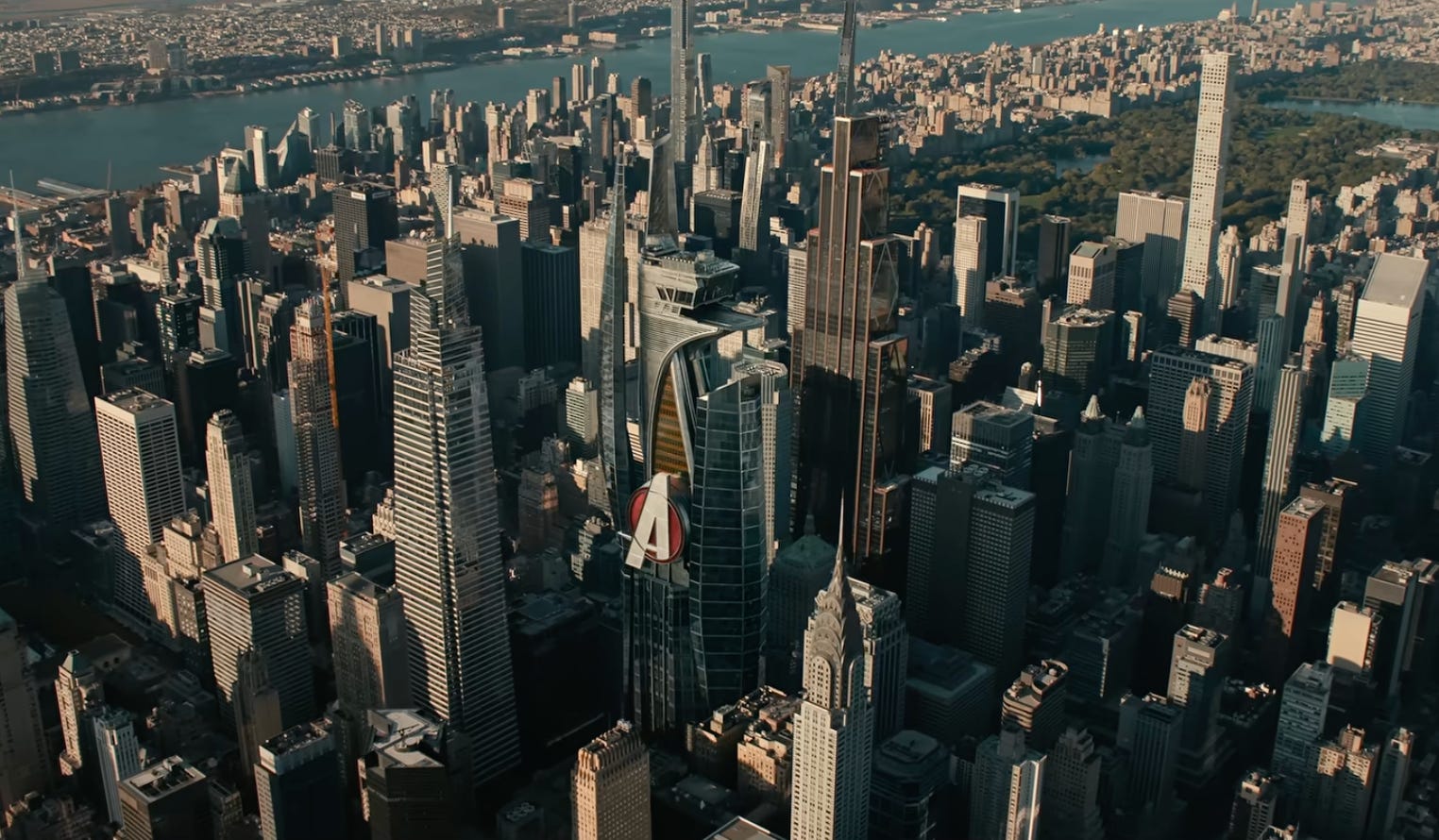
At least it was until it got bumped to second place, something that would have been sacrilege for me to say a decade ago. Over the last ten years, something that started in 2008 took the crown. Iron Man was a good movie, but everything shifted the moment Nick Fury walked onto the screen and made Tony Stark aware of a little something called The Avenger Initiative. Tony didn’t know it at the time and neither did we, but he was part of a bigger universe. A franchise was born.
The MCU (Marvel Cinematic Universe) wasn’t even officially tagged the MCU until after The Incredible Hulk, four months after Iron Man came out. Since then, it has dominated the global box office with almost $35 billion in ticket sales, not to mention some of the most iconic pop cultural moments in cinema: “I am Iron Man” (twice), the snap, “I love you 3000,” Captain America catching Thor’s hammer, “On your left”, “Avengers… assemble,” and on and on and on.
So far, the MCU consists of 6 phases, which includes 38 movies and a number of shows. VisionQuest comes out in two weeks and Avengers: Doomsday comes out December 18, 2026. With Doomsday coming out in December, Marvel and Disney+ have released a watchlist to prepare you for its release. I’ve grouped the list into thematic categories to help you understand why these properties were chosen.
Legacy & Mutants
X-Men and X2 (from 2000 and 2003) established the original Fox mutant continuity and introduced the characters returning for Doomsday. The original X-Men that have been confirmed to be in Doomsday are Patrick Stewart (Professor X), Ian McKellen (Magneto), James Marsden (Cyclops), Rebecca Romijn (Mystique), Kelsey Grammer (Beast), and Alan Cumming (Nightcrawler).
Avengers Foundation
Captain America: The First Avenger, The Avengers, Avengers: Infinity War, and Avengers: Endgame establishes the core Avengers team, timeline mechanics, and Steve Rogers’ history. Captain America: The First Avenger sets up the history between Steve Rogers and Peggy Carter. The Avengers establish the team-up that started it all. Avengers: Infinity War and Avengers: Endgame are essential for understanding the Infinity Saga payoff and how time travel fractured the multiverse.
Multiverse Architecture
Loki, Spider-Man: No Way Home, Doctor Strange in the Multiverse of Madness, and Deadpool & Wolverine explain incursions, timelines, and anchor concepts (an anchor concept is a foundational rule introduced to govern the multiverse—every universe has a single, core individual whose existence holds that entire timeline together). Loki is needed to grasp the Time Variance Authority (TVA), variants, and the rules governing the multiverse. Spider-Man: No Way Home explores active multiversal crossovers and colliding realities. Doctor Strange in the Multiverse of Madness introduces the concept of “incursions,” where universes collide and destroy each other. Deadpool & Wolverine brings Fox’s mutant corner and the TVA directly into the wider mix (including Channing Tatum as Gambit).
The New World Stage & Key Players
Shang-Chi and the Legend of the Ten Rings, Black Panther: Wakanda Forever, Captain America: Brave New World, Thunderbolts*, and The Fantastic Four: First Steps introduce the remaining major players who will face off against Doctor Doom. Each of these films establishes the status of all of these characters, Shang-Chi, Shuri’s Black Panther, Sam Wilson’s Captain America, The New Avengers (Yelena Belova as Black Widow, Winter Soldier, U.S. Agent, Red Guardian, Ghost, and Sentry), and the iconic Fantastic Four and the alternate universe tied to Dr. Doom.
Marvel and Disney have given us a 15-title study guide to prepare for Doomsday, which means I get to watch 14 movies and a show I already know I like to make sure that I am ready for December 18th. This post is part 1 of a 17-part series breaking down every entry on the watchlist. I will drop one installment for each movie, plus one installment for each season of Loki. Consider this your Doomsday prep.
* Part 2 will be released on Friday.
Disclaimer: All images and characters are the property of their respective copyright holders and are used here under Fair Use for analysis and commentary.