


Spoiler Warning: We are spoiling Loki (Season 1) and the entire MCU continuity. If you aren’t caught up, or don’t want Avengers: Doomsday to be spoiled (even though I have absolutely no idea about what will happen in that movie), stop reading now or accept the risks.
Loki—the character and the show—probably has more connective tissue with Doomsday than any other property on Marvel’s watchlist (with the caveat that I actually have no idea what Doomsday is about). From the cast announcements, the trailers, and the added scenes from Avengers: Endgame Encore, I do know that Doomsday will have a bunch of superheroes, probably a few villains, and definitely be dealing with the multiverse (Earths fighting Earths for survival). Considering Loki introduced multiversal travel, timeline branches, nexus events, and variants, it’s safe to say it will be foundational for what happens in Doomsday. Loki has become one of the most important characters in the entire MCU. The evolution from the first time we saw him in Thor to the last time we saw him in Loki (unless you count the extra scene in Endgame Encore, but since that canonically happened before Loki—and it was a rerelease—on the Sacred Timeline, the last time Loki appeared was in Loki) is unlike any other character arc—where he goes from arrogant conqueror (and mass murderer) to hero, God of Stories, and protector of time.
Loki is one of my favorite MCU properties, if not my absolute favorite—and that definitely was not the case when it was announced back in 2018. I wasn’t sure how it was going to work or why they were doing it (Loki was already dead in the MCU, and while he was a good character, he wasn’t one I felt needed his own movie, let alone a show). And did I mention that he was already dead (as much as any character in a comic property is actually dead—but they better keep Tony Stark dead)? But then I watched the show, and Loki turned from someone that I liked to one of my favorite characters in the entire franchise. And they figured out a way to keep him dead and bring him back at the same time.
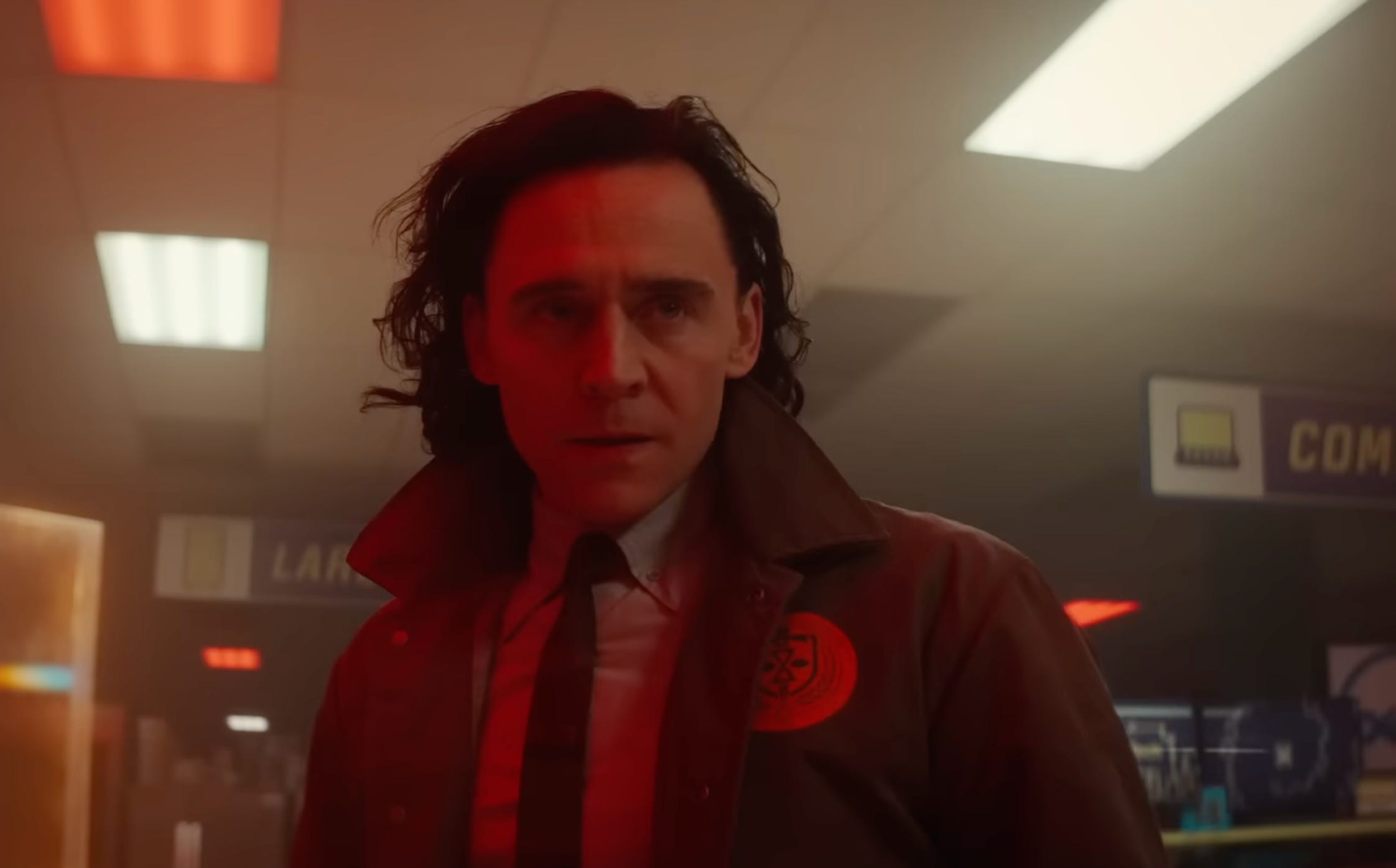
The genius thing about Loki is that they took a character (portrayed masterfully by Tom Hiddleston) who had shown incredible growth throughout the franchise and gave us the version of him at his absolute worst—he was committing casual mass murder while trying to take over Earth with an alien army. Watching Loki’s growth for a second time (now in a very different way) was one of the best parts about the show. We see him in the very bureaucratic TVA where he gets to view his entire life (even the parts that happened to the Loki that we knew after he escaped his timeline in 2012—it can get kind of confusing to explain). We see the relationships that he builds with Mobius, Sylvie, Hunter B-15, and Casey. We see him go (again) from someone who only cared about himself to someone who truly cared about his people (one of those people happens to be a variant of himself, so he is still—in a way—caring about himself).
Here’s what happened in season 1 of Loki (given to you like a waterfall): After escaping 2012 in Endgame, Loki is arrested by the Time Variance Authority (TVA) where he sees the Infinity Stones (lots of them—just sitting in a drawer like takeout menus) as paperweights and he agrees to help Mobius hunt a variant of himself. After figuring out that the variant is hiding out in historical apocalyptic events and natural disasters to avoid temporal disruptions, Loki tracks her to a hurricane in 2050 where she bombs the Sacred Timeline. The variant, Sylvie, goes to the TVA, then she and Loki are transported to a doomed moon where they form an emotional bond. When their new bond causes a timeline spike, the TVA comes and arrests them right before their assured death. They learn that TVA agents are brainwashed variants stolen from their original timelines and they cut off the head of one of the Time-Keepers—revealing that they are androids—right before Loki is pruned (literally removed from the timeline, hence the name). Loki wakes up in The Void (a cosmic dumping ground at the End of Time guarded by Alioth, a scary purple/gray cloud that eats those lucky enough to be in there) where he meets multiple other Lokis in the middle of a Loki civil war. He teams up with some, runs into Sylvie, and with the help of Classic Loki they enchant Alioth and make it to the Citadel at the End of Time. There, they meet He Who Remains and he tells them that he protected time from a multiversal war fought between variants of himself. He is now preventing that same war from re-erupting and their only options are to kill him and unleash the war, or take over his job and run the TVA. Loki and Sylvie debate what to do (Loki doesn’t want to kill him, but Sylvie does—Sylvie wins that debate). She kills him, rapidly fracturing the Sacred Timeline. Back in the TVA, Mobius doesn’t recognize Loki (but Loki recognizes the statues of He Who Remains all over the place).
Loki starts the series with the idea that he has “Glorious Purpose” (same phrase he used in The Avengers) and that purpose is to rule all of humanity. The meaning of this shifts throughout the season until he and Sylvie finally meet He Who Remains at the End of Time. This interaction is the climax of the season and almost certainly a critical piece of whatever will happen in Doomsday. When Loki and Sylvie confront He Who Remains, he gives them two options: kill him, which would shatter the Sacred Timeline and unleash a multiversal war led by his variants, or take his place as the autocratic overseer of the TVA and keep the world(s) as they know them intact. Sylvie kills him, having a direct effect on what Loki’s purpose truly is. Season 1 of Loki is more about the growth of a character and introducing the multiversal concepts that will be foundational (I think) in Doomsday. Season 2 (which I’ll get into in my next piece) is more about how he tries to actually save (or at least preserve) those concepts. I’ll get into the significance of He Who Remains, Sylvie killing him, and what it all could mean for the future of the MCU, let alone time itself.
Disclaimer: All images and characters are the property of their respective copyright holders and are used here under Fair Use for analysis and commentary.