

Spoiler Warning: We are spoiling Spider-Man: No Way Home and the entire MCU continuity. If you aren’t caught up, or don’t want Avengers: Doomsday to be spoiled (even though I have absolutely no idea about what will happen in that movie), stop reading now or accept the risks.
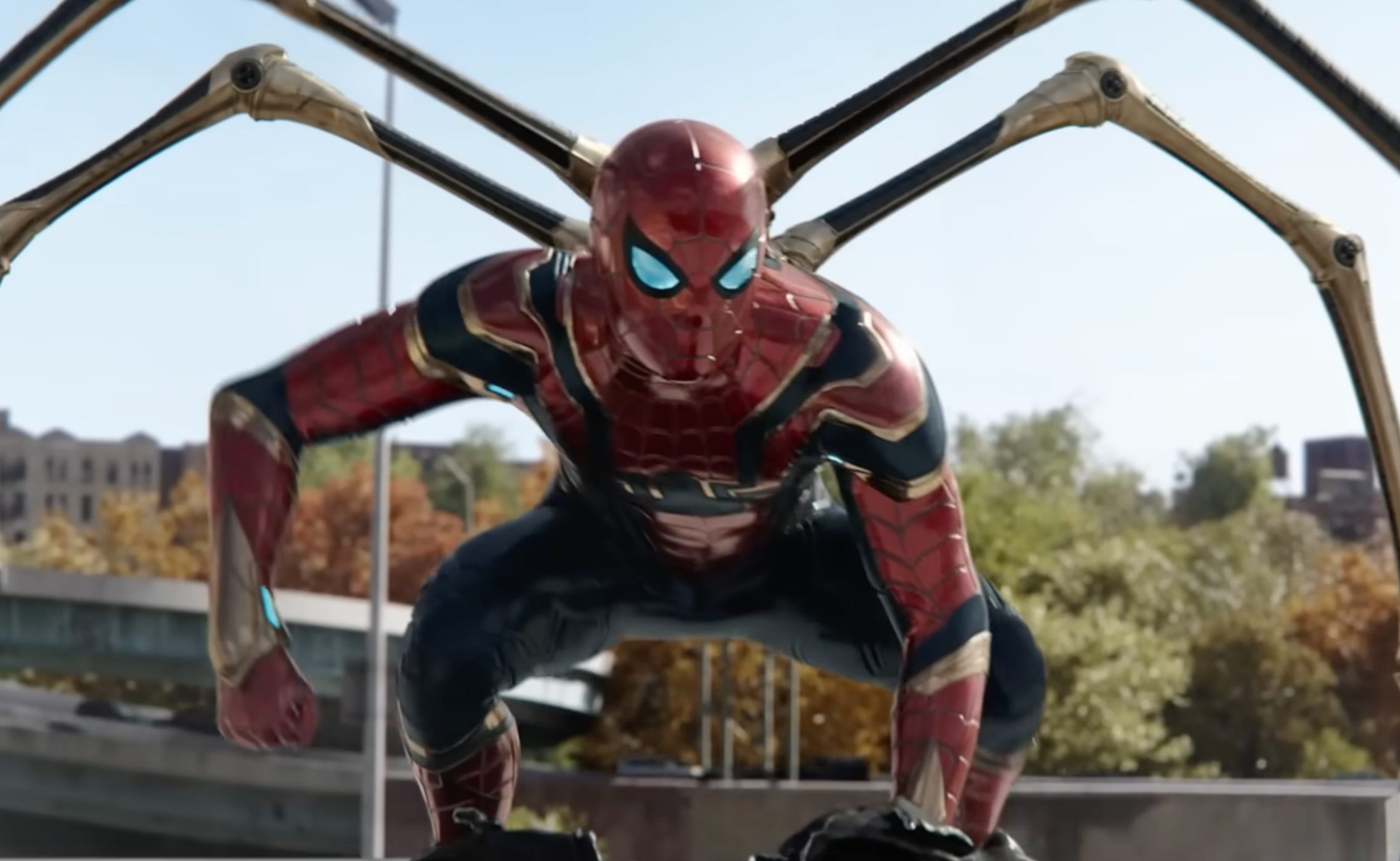
“You have a gift. You have power. And with great power, there must also come great responsibility.” We weren’t sure if we would ever hear that in a Tom Holland Spider-Man movie. That line has historically been said by Uncle Ben early on in the story. Considering No Way Home is the third movie in this Spider-Man series, and there is no Uncle Ben, I don’t think many fans were expecting it. Then we heard it… and Aunt May died… and we were all shook.
In a very meta way, this line means something to both Tom Holland and Peter Parker. No Way Home was the biggest MCU movie post-Endgame until Spider-Man: Brand New Day beat it (and almost every other movie besides Endgame and Avatar). Spider-Man (the franchise and the character) has a lot of power in the MCU, and with that power, a lot of responsibility. No Way Home is a stepping stone on the road to Doomsday because it takes the multiverse and shows how choices (well-intentioned or not) can have serious and devastating consequences. It provides the framework for what’s to come: it normalizes the appearance of legacy variants (three Spider-Men?!?!), and it establishes the paradox of empathy versus sacrificing timelines for the greater good—something that seems like it will play a huge role in Doomsday.
At the end of Far From Home, Mysterio frames Spider-Man and reveals his secret identity, upending Peter’s life and causing MIT to reject him, MJ, and Ned. Peter asks Doctor Strange for help to get people to forget who he is, but as Strange is carrying out the spell, Peter keeps changing it up, causing the magic to break and bringing villains from different universes to Peter. Strange plans on sending all of the villains back to their worlds, but Peter doesn’t want to because they are all supposed to die in their timelines. Peter thinks he can “fix” all of the villains, and he successfully cures Doc Ock, but Norman Osborn (Green Goblin) sabotages everything and fatally injures Aunt May (leading to that pivotal line). Ned summons two other Spider-Men (by inexplicably using Doctor Strange’s sling ring)—all three Spider-Men bond over shared tragedies and create cures for the villains. There is a battle at the Statue of Liberty (where Andrew Garfield catches a falling MJ, easing the trauma of Gwen Stacy’s death—from his world), and Peter almost kills Green Goblin before he is stopped by Tobey Maguire’s Spider-Man. To prevent the collapsing multiverse from destroying reality, Peter has Strange erase Peter Parker from existence (nobody will remember who Peter Parker is). Peter finally becomes the street-level hero that he is in every other iteration of Spider-Man.
No Way Home transitions from the (one universe) cosmic stakes of the Infinity Saga to the multiversal, branching realities and timelines of the Multiverse Saga (Loki did it first, but it didn’t have the power—or responsibility—of Spider-Man). It acts as a thematic bridge to Avengers: Doomsday, moving from isolated breaches to collapsing timelines—showing how individual actions can escalate into crises across realities. Peter’s innocent decision to ask Strange for help has catastrophic consequences for the multiverse. Multiple variants are pulled to Earth 616 (the Sacred Timeline) where Strange insists it is “their fate to die” while Peter wants to save them (Peter does save them, but at what cost?).
That question, what multiversal survival actually costs, seems to be exactly what Doctor Doom will ask in Doomsday (just thinking about what it will be like when Peter sees RDJ, the face of Tony Stark, as Doctor Doom is nuts. Not sure what this will look like, or even if Spider-Man is in Doomsday, but it will be emotionally jarring if it does happen). If Peter is the empathetic extreme of the multiverse, will Doom be the ruthless pragmatist? Probably. Peter broke reality trying to help his friends, then sacrificed everything to save doomed villains; Doom will likely be the man shattering reality for his own selfish reasons, willing to sacrifice entire universes just to save his own.
Peter Parker takes Aunt May’s words to heart in No Way Home. He realizes the great power that he has, and he fully takes on the great responsibility that comes with it. He is unwilling to send villains back to their worlds for their impending deaths because he feels accountable to them since he is the reason they are there (it’s almost like a version of Captain America’s “we don’t trade lives”). He then sacrifices his entire way of life, and every relationship he has ever known, to save those villains and all of reality. He accepts the burden. Peter chooses total erasure from all of human memory to seal the multiversal rift. Doctor Doom will probably have a similar decision to make in Doomsday, and his idea of great power and responsibility won’t be the same as Peter’s.
Disclaimer: All images and characters are the property of their respective copyright holders and are used here under Fair Use for analysis and commentary.